CISOPlatform Breach Intelligence July 24, 2025 – SharePoint Zero-Day Exploits, SysAid Vulnerabilities, Aviation Phishing Campaign
Executive Summary
The cybersecurity threat landscape on July 23, 2025, revealed multiple critical security incidents across enterprise infrastructure and government systems. Key developments include active exploitation of Microsoft SharePoint zero-day vulnerabilities by Chinese state-sponsored threat actors, critical SysAid IT support software vulnerabilities under active attack, sophisticated phishing campaigns targeting aviation executives, and a significant data breach affecting 340,000 French job seekers. Organizations must prioritize immediate patch management, enhanced monitoring protocols, and advanced threat hunting capabilities to counter these evolving attack vectors.
Key Breach Incidents Overview
- CISA Orders Urgent Patching After Chinese Hackers Exploit SharePoint Flaws in Live Attacks - TheHackerNews
- CISA Warns: SysAid Flaws Under Active Attack Enable Remote File Access and SSRF - TheHackerNews
- US Nuclear Agency Hacked in Microsoft SharePoint Frenzy - Dark Reading
- SharePoint Under Attack: Microsoft Warns of Zero-Day Exploited in the Wild - SecurityWeek
- France: New Data Breach Could Affect 340,000 Jobseekers - Infosecurity Magazine
- Phishers Target Aviation Execs to Scam Customers - KrebsOnSecurity
- Clorox sues Cognizant for $380M over alleged helpdesk failures in cyberattack - CSO Online
Major Incident Analysis
Source: TheHackerNews
!SharePoint Vulnerability Attack Professional visualization of Microsoft SharePoint vulnerability exploitation
Indicators of Compromise (IOCs):
client.exe(disguised as debug.js)- ASPX web shells deployed on SharePoint servers
- MachineKey material theft
- PowerShell payload execution
- CVE-2025-49704: SharePoint Remote Code Execution (CVSS 8.8)
- CVE-2025-49706: SharePoint Post-auth Remote Code Execution/Spoofing (CVSS 6.5)
- CVE-2025-53770: SharePoint ToolShell Authentication Bypass and RCE (CVSS 9.8)
- CVE-2025-53771: SharePoint ToolShell Path Traversal
- T1190 (Initial Access): Exploit Public-Facing Application
- T1505.003 (Persistence): Web Shell
- T1552.004 (Credential Access): Private Keys
- T1059.001 (Execution): PowerShell
Analysis: This represents a sophisticated supply chain attack targeting critical infrastructure through widely deployed SharePoint servers. The ToolShell vulnerability chain enables complete system compromise through unauthenticated access, allowing threat actors to establish persistent backdoors and exfiltrate sensitive cryptographic material. CISA reports approximately 400 government and enterprise entities have been compromised, indicating widespread impact across critical sectors.
Source: TheHackerNews
!Ransomware Corporate Network Visualization of enterprise network compromise through IT support software vulnerabilities
- CVE-2025-2775: XXE in Checkin endpoint (CVSS 9.3)
- CVE-2025-2776: XXE in Server URL processing (CVSS 9.3)
- CVE-2025-2777: Pre-authenticated XXE in /lshw endpoint (CVSS 9.3)
- T1190 (Initial Access): Exploit Public-Facing Application
- T1078 (Defense Evasion): Valid Accounts (Administrator takeover)
- T1005 (Collection): Data from Local System
- T1018 (Discovery): Remote System Discovery (SSRF)
Analysis: The exploitation of SysAid vulnerabilities demonstrates threat actors' focus on IT management infrastructure as a pathway to enterprise compromise. The XXE vulnerabilities enable complete administrator account takeover and remote file access, providing attackers with privileged access to managed IT environments. Organizations using SysAid on-premise deployments face immediate risk of lateral movement and data exfiltration.
Source: Dark Reading
!Chinese State-Sponsored Attack Visualization of state-sponsored cyber operations targeting critical infrastructure
Analysis: The compromise of a US nuclear agency represents a critical national security incident demonstrating the strategic targeting of critical infrastructure by state-sponsored threat actors. This incident underscores the cascading impact of widely deployed software vulnerabilities across sensitive government sectors and highlights the need for enhanced cybersecurity protocols in critical infrastructure environments.
Source: KrebsOnSecurity
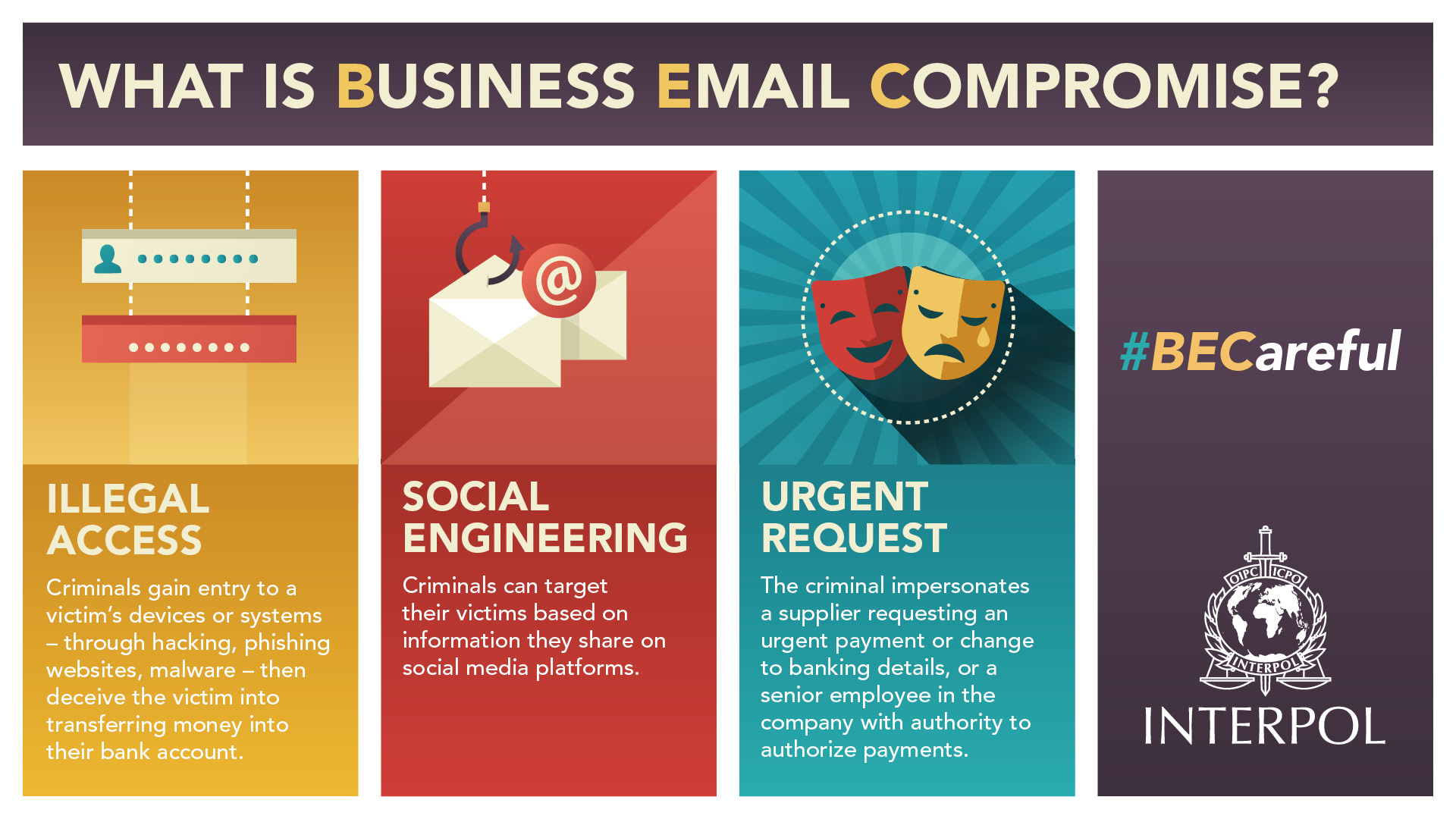
!Business Email Compromise Professional visualization of business email compromise attack methodology
Indicators of Compromise (IOCs):
roomservice801@gmail.com(registrant email for 240+ phishing domains)- Look-alike domains mimicking legitimate aviation companies
- Phone numbers: +1.773.649.1613, +234.806.291.8302
- Associated aliases: "Justy John", "rsmith60646@gmail.com", "michsmith59@gmail.com"
- T1566.002 (Initial Access): Spearphishing Link
- T1078 (Defense Evasion): Valid Accounts
- T1566.001 (Initial Access): Spearphishing Attachment
- T1185 (Collection): Man in the Browser
Analysis: This sophisticated business email compromise demonstrates the evolution of financial fraud campaigns targeting high-value executives in critical industries. The rapid domain registration and invoice manipulation within 24 hours indicates well-established criminal infrastructure and operational procedures. The six-figure financial loss highlights the immediate business impact of successful credential compromise in executive-level accounts.
Source: Infosecurity Magazine
!French Data Breach Visualization of personal data breach affecting French employment sector
Analysis: The exposure of 340,000 job seekers' personal information represents a significant privacy breach affecting vulnerable populations seeking employment. The incident highlights the critical importance of data protection measures in human resources and recruitment systems, particularly given the sensitive nature of personal and professional information collected during job application processes.
Strategic Threat Intelligence Analysis
Current threat intelligence indicates a significant escalation in state-sponsored cyber operations targeting critical infrastructure through widely deployed enterprise software platforms. The coordinated exploitation of SharePoint vulnerabilities by Chinese APT groups demonstrates sophisticated supply chain attack methodologies designed to achieve persistent access across multiple sectors simultaneously. The convergence of zero-day exploitation with established criminal infrastructure for financial fraud indicates threat actors are leveraging advanced capabilities for both strategic intelligence collection and immediate financial gain. Organizations must enhance behavioral analytics capabilities and implement zero-trust architecture principles to detect and mitigate these evolving attack vectors.
CISO Strategic Recommendations
- Emergency Patch Deployment: Implement immediate patching protocols for SharePoint and SysAid vulnerabilities within 24-hour emergency SLA framework
- Enhanced Threat Hunting: Deploy advanced behavioral analytics specifically targeting SharePoint web shell deployment and lateral movement indicators
- Executive Protection Program: Implement enhanced email security controls and out-of-band verification for high-value executive accounts
- Supply Chain Risk Assessment: Conduct immediate security posture evaluation of all third-party IT management and collaboration platforms
- Incident Response Activation: Establish enhanced monitoring protocols for state-sponsored threat actor TTPs and IOCs across enterprise infrastructure
Threat Landscape Analysis
The current threat landscape demonstrates unprecedented coordination between state-sponsored APT groups and criminal organizations in exploiting enterprise infrastructure vulnerabilities. The simultaneous targeting of SharePoint servers across government and private sector organizations indicates strategic intelligence collection objectives combined with opportunistic financial exploitation. Threat actors are increasingly leveraging artificial intelligence for reconnaissance and social engineering while exploiting supply chain dependencies to achieve persistent access across multiple victim organizations. The integration of zero-day exploitation with established criminal infrastructure suggests a maturation of cyber threat ecosystems requiring adaptive defensive strategies and enhanced international cooperation for effective mitigation.
Conclusion and Forward-Looking Insights
The cybersecurity incidents analyzed on July 23, 2025, demonstrate the critical convergence of state-sponsored cyber operations with criminal financial exploitation targeting enterprise infrastructure and critical sectors. The widespread exploitation of SharePoint vulnerabilities across government and private organizations highlights the systemic risk posed by widely deployed software platforms and the need for enhanced vulnerability management protocols. Organizations must prioritize zero-trust architecture implementation, advanced behavioral analytics deployment, and enhanced threat intelligence integration to maintain effective security posture against evolving state-sponsored and criminal threat actors. Future threat evolution will likely focus on AI-enhanced attack methodologies and deeper supply chain exploitation, requiring proactive defensive strategies and enhanced public-private sector cooperation.
Sources and References
For more breach intelligence reports and cybersecurity insights, visit CISOPlatform.com and sign up to be a member.
Nominate for Global CISO 100 Awards & Future CISO Awards (1-2 October Atlanta, USA): Nominate Your Peer




Comments